Justine Dorsey and Graham Epstein of the band After, formed in 2023, have created a formula of near replication of the iconic pop sounds of Y2K. Similar to the music of Hillary Duff or Michelle Branch, After has developed a sound reminiscent of 2000s nostalgia although they categorize their music under the genre of “trip pop.”
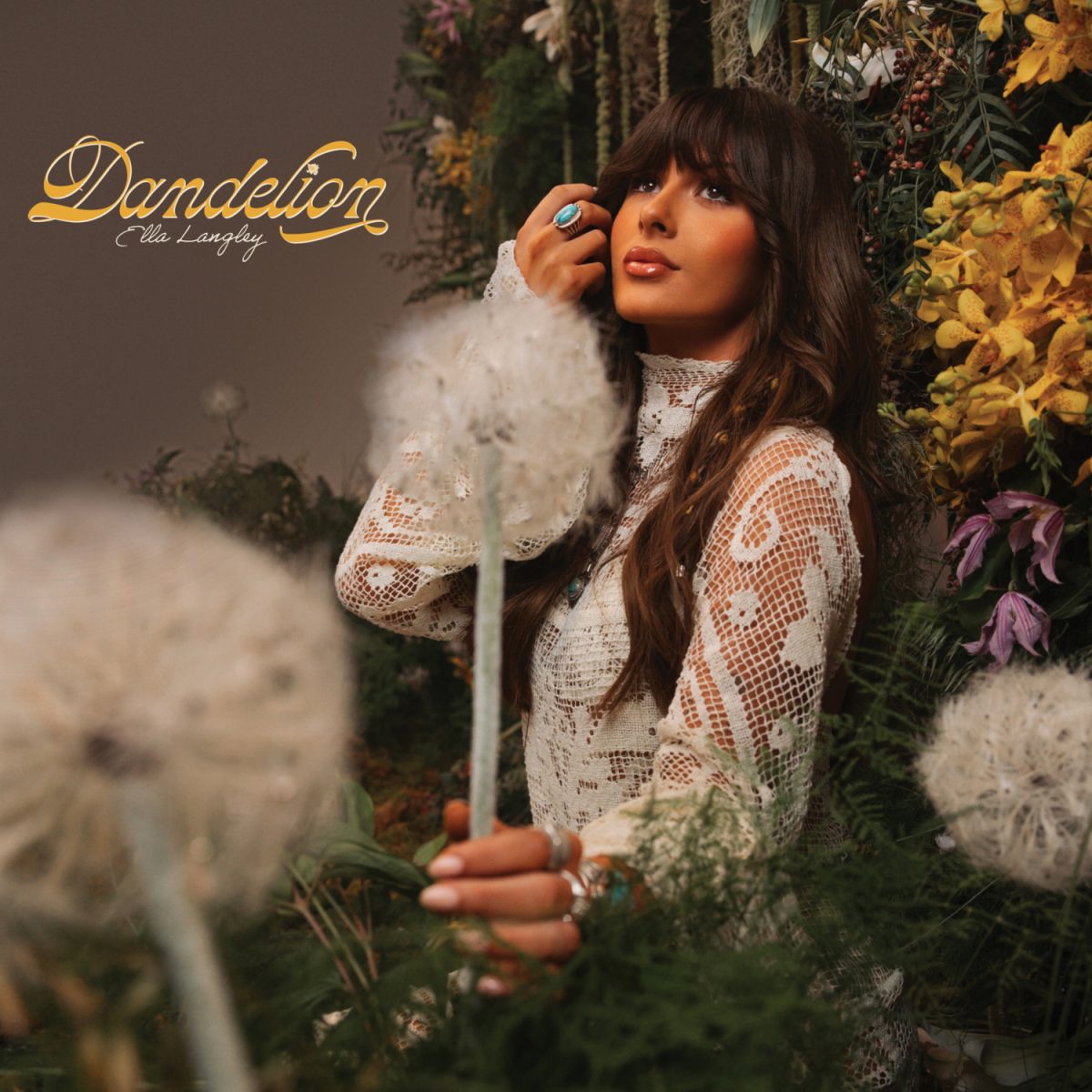
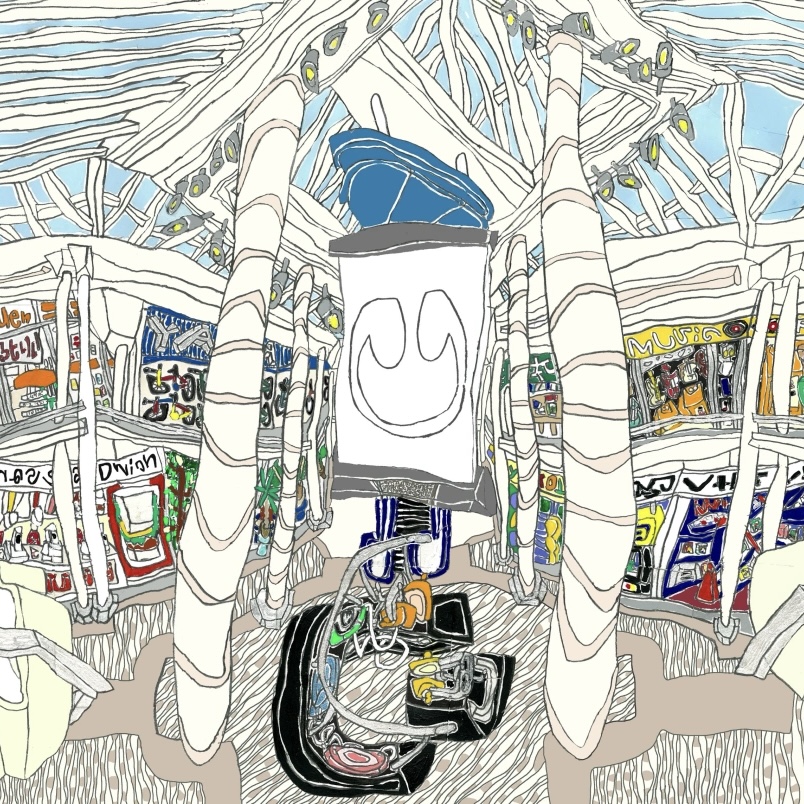
However, the similarity to the sounds of these artists are not where the comparisons end. Through all of the visuals included for the cover art of After’s singles and EPs, they follow the same frutiger metro aesthetics, a visual style popularized in the 2000s consisting of abstract shapes, flowing lines, and intricate patterns.
After’s first EP was released April 4, including songs “300 dreams,” “Ever,” and “Obvious.”
“300 dreams” is a song of staying true to one’s honest self and not forgetting who you are. “Maybe all that you dreamed / And you’ve ever loved is there / You gotta go for it then, baby,” Dorsey sings in the 2nd verse of the song. Into the post chorus, Dorsey calls out in nonsensical syllables that lead into the second track, my personal favorite, “Ever.”
“Ever” begins with a heavy synth cut by a dreamlike piano and shifts into the eerie vocals of Dorsey. “I’ll wait forever and ever / Be there when you wanna go,” Dorsey sings as she yearns for a lost love.
While the lyrics are short and sweet, it is the instrumentals that set it over the edge and transport the listener straight back to the new millenium. It feels as if this song could be placed into the “Twilight” soundtrack aside Paramore and Bon Iver.
The theme of unrequited love is continued into the fourth track, “Obvious.” The track begins with the lines “I love you most / But you’ll never show it / And I wanna be close / But you’re so in control of it.” Dorsey sings as she shares the cliche feeling of falling so deeply into love with someone who doesn’t reciprocate.
She continues into the chorus singing “And do I like you? / Don’t you think it’s kinda obvious?” sharing how blatantly she puts her feelings out into the open and how it is not acknowledged or requited. This being the first song I ever heard from After was the perfect intro into their time machine of a discography.
Although After is bringing back the 2000s aesthetic through their music, it is not currently foreign in the music scene. In the 3rd track of After’s first EP, “Lichen,” the beat is similar to “Beg for you” by Charli xcx from her 2022 album “CRASH.” Both After and Charli xcx have been gaining more recognition recently for their creative music making and iconic album cover art.
After’s second EP, “After EP 2,” which includes tracks “Deep Diving,” “The Field,” and “Where we are now” was released on Oct. 17; however, track five titled “Outbound” stood out the most to me upon listening. The usage of synthesizers adds to the dreamlike quality of the music.
“I’ll try to tell you / When you come down in the morning, baby / No time for running out on me like that / You drive me crazy,” Dorsey sings with the essence of an early Y2K romcom such as “How to Lose a Guy in 10 Days.”
The fourth track of the EP, “Baroque,” heavily leans into the cheesy pop of the 2000s. As Dorsey begins singing “Don’t you say that / Don’t say, don’t go / You know I won’t,” it evokes the same emotions I feel as Troy Bolten sings “What about us? / What about everything we’ve been through?” in Disney Channel’s “High School Musical” but with a matured spin on it.
This contributes to the nostalgia factor of After’s aesthetic as it draws back to the childhoods of their listeners. The thrashing of the guitar into the chorus adds to the angst familiar to listeners and reminiscent of songs from the post 90s era of Disney movies.
While After is not the only band in this new wave of recession back to 2000s pop, they are paving the way for this trend to progress into the future, allowing for younger generations to experience the magic that was the pop of Y2K.