At 8 a.m., students begin their first period class each day, and their work environment can set the tone for how their class period, or even full day, plays out. “I like a class where the students are talkative, but not disruptive-talkative, and the teacher takes people’s ideas and what works best for them into account,” said senior Indra Catolico.
Similarly, senior Adam Parsons shared the importance of community in terms of productivity and motivation in class. “I feel most motivated when surrounded by other motivated people. It encourages competition, which I think is healthy sometimes in moderation, and it’s also really helpful when other people know what’s going on in case you don’t,” said Parsons. “So I feel most motivated when, not only there’s work, but there’s also other people who are ready to do it in case I fail, there’s other people there to help me out.”
Furthermore, Parsons said, “I think tables are really good for fostering a group effort, especially when there’s a correct answer, it makes certain that everyone can succeed together.”
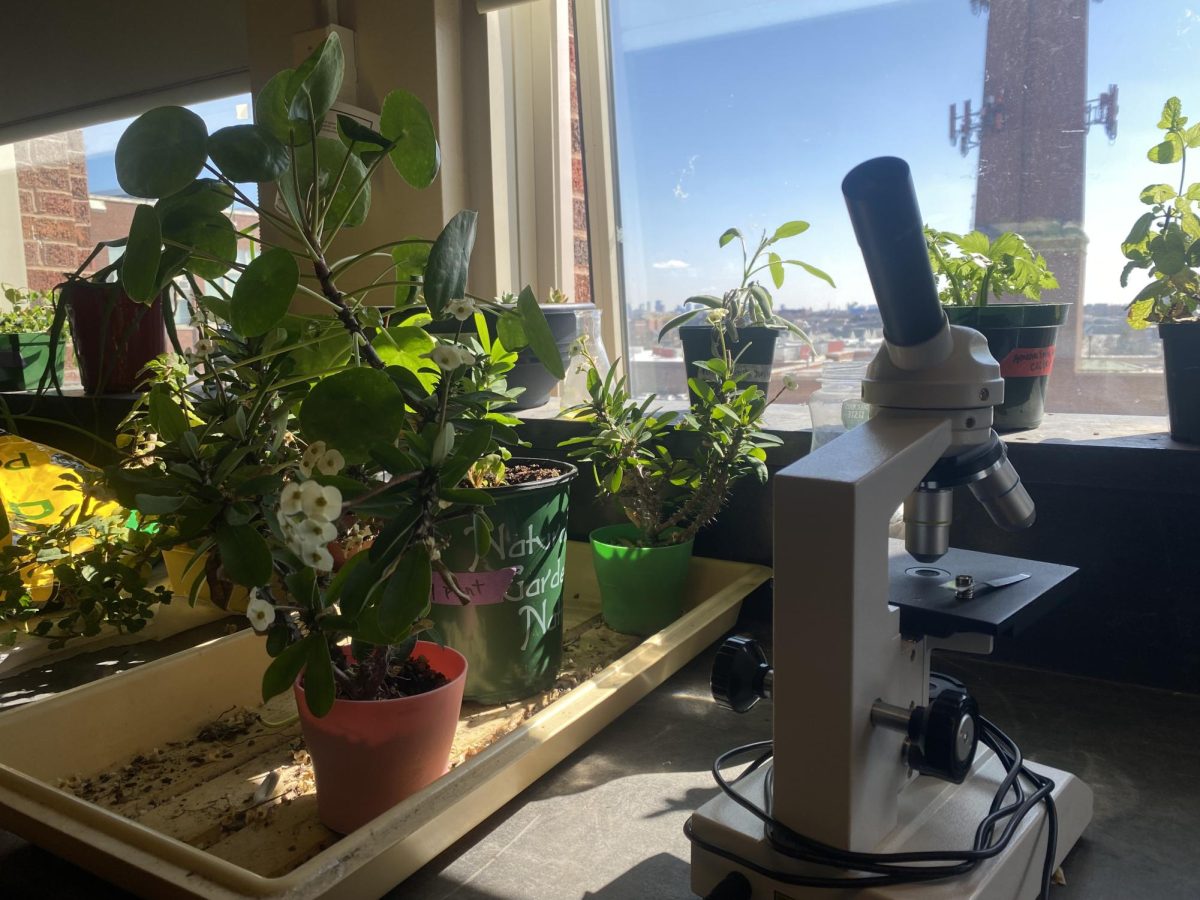
The goal for students to be most productive in class is also reflected by teachers. “I want an atmosphere where people feel free to ask questions or talk to their group about material, but also where they are comfortable talking to me about material, asking questions if they need to,” said Horticulture and Zoology teacher Kelly Heath. “I do like the group setting, and that makes it easier to have people like to work collaboratively.”
While group seating can often provide freedom to students, there are times where more strict rules must be put in place. “They might think they’re happier [when choosing their own groups], but it might not be a very efficient way to go about things,” said Heath. “And you know, you have groups that I get less complaints when people choose their own groups, but sometimes there have to be changes.”
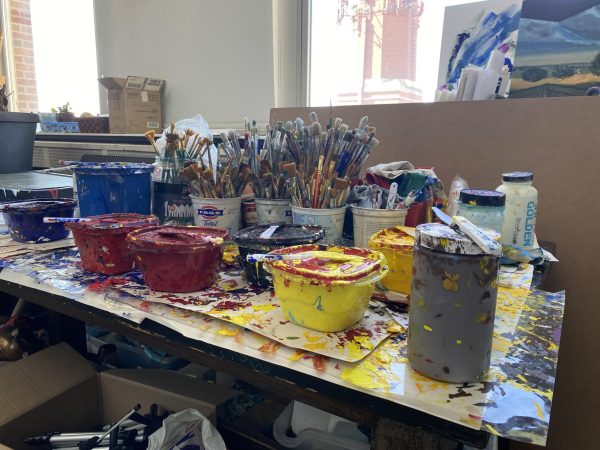
This sentiment is shared by art teacher Elizabeth Chisholm. “I let students sit where they want to until I feel like there’s a reason to switch seats, usually behavioral or just mixing it up if the energy is dragging,” said Chisholm.
However, Heath acknowledges that as students get older, they begin to become more aware of the environments that they are choosing to place themselves in when choosing their own seats. “It’s also seniors, so they kind of know they may not choose what’s right for them, but they know what they’re getting into usually,” said Heath. “And I think whereas freshmen, it’s just kind of, nobody really knows each other yet, and it’s a little bit different, you kind of have to manage that more.”
Catolico also agreed that there is a proper time and place for seating charts. “I think at the beginning of the year, I like when [the seating is] teacher assigned, because I think it’s awkward if people don’t know each other, but then towards second semester or something, then I would say choosing groups,” said Catolico.
Additionally, Parsons said, “I think I prefer assigned seating charts for the most part, just because it’s easier, you know, there’s no feelings involved. It just sort of is the way it is. It gives a good chance to connect with other people. There’s a time and a place for, you know, choosing your own seats.”
While community in a class environment could make or break a class experience, the physical layout of the classroom could also impact a student’s experience. On lighting in classrooms, Catolico said, “I’ll get really bad headaches from artificial lighting. And I feel like a lot of the time, as long as the blinds are open, I feel like it’s not hard to see in any of the classrooms.”
Heath shared that keeping lights off has been a common theme throughout her 23 years at Lane. “I feel like I don’t like it when it’s dreary outside and the lights are down, but students do, like I joke around, but I’m like, a student has never asked me to turn on the lights,” said Heath.
On the same topic, Chisholm said, “I prefer [the lights] off, especially close to our beautiful windows that we have. So, I try to remember to turn off at least two sets of lights, because I think it makes for a nicer, more relaxed environment.”
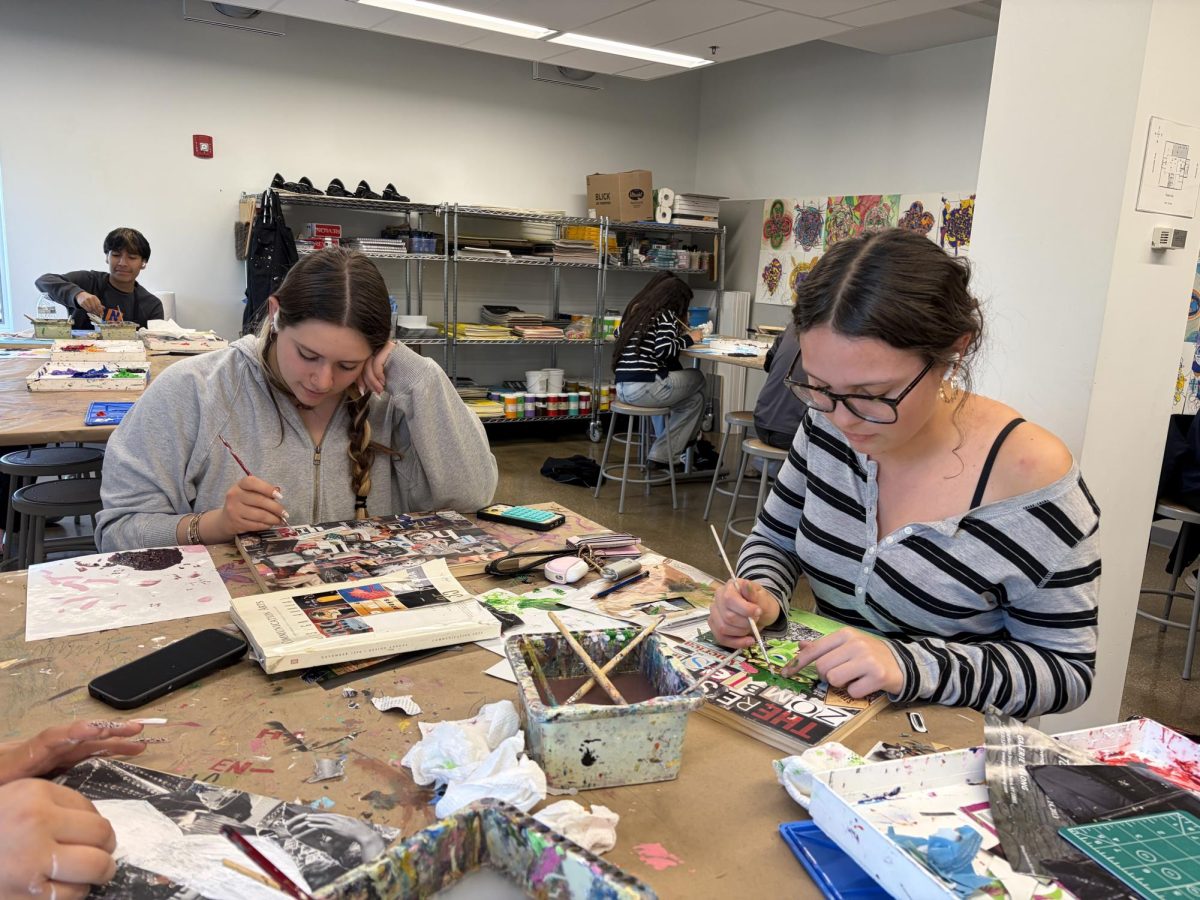
Aside from her views on lighting, this is not the only thing she does to create a more comfortable environment for students. “I strive to create an environment that is fun, colorful, relaxed, and inspiring,” said Chisholm.
Furthermore, to ensure the students stay motivated, she likes to make sure that they are engaged and excited in what they are working on.
“When they’re getting rewarded and they like what they’re making, and it’s like feeding them, and they want to keep working on it,” said Chisholm. “And so they kind of go right to it and try to use the most of their very short class period.”
Ultimately, when students feel motivated and comfortable in their class environment, it can lead to their success and the success of others. “I think [being motivated to succeed and connect with others is] really important, because a big part of succeeding is that succeeding with other people just feels better,” said Parsons.